


When it comes to tool cabinets, the choice of materials is crucial. As a tool cabinet supplier, I've seen firsthand how different materials can impact the performance, durability, and overall quality of these essential storage solutions. In this blog, I'll share some of the commonly used materials for making tool cabinets and why they're so popular.
Steel
Steel is hands down the most widely used material for tool cabinets, and for good reason. It's incredibly strong and durable, able to withstand the rigors of daily use in a workshop or garage. Steel tool cabinets can handle heavy tools and equipment without bending or warping, making them ideal for professional mechanics, technicians, and DIY enthusiasts.
One of the main advantages of steel is its resistance to corrosion. Most steel tool cabinets are coated with a protective finish, such as powder coating, which helps prevent rust and damage from moisture. This means your tools will stay safe and dry, even in humid environments.
Another benefit of steel is its versatility. It can be easily shaped and fabricated into different sizes and styles of tool cabinets, from small portable units to large, heavy-duty cabinets with multiple drawers and compartments. Steel cabinets also offer a sleek and professional look, making them a great addition to any workspace.
If you're in the market for a high-quality tool cabinet, I highly recommend checking out our Heavy Duty Mechanic Tool Box. It's made from thick steel and features a durable powder-coated finish, providing excellent protection for your tools.
Aluminum
Aluminum is another popular material for tool cabinets, especially for those who need a lightweight and portable option. Aluminum is much lighter than steel, making it easier to move around and transport. This makes it a great choice for mobile mechanics or anyone who needs to take their tools on the go.
Despite its lightweight, aluminum is still a strong and durable material. It's resistant to corrosion and can withstand the elements, making it suitable for outdoor use. Aluminum tool cabinets also have a modern and stylish appearance, which can enhance the look of your workspace.
One thing to keep in mind is that aluminum is not as strong as steel, so it may not be the best choice for storing extremely heavy tools. However, for most general-purpose tool storage, an aluminum tool cabinet should work just fine.
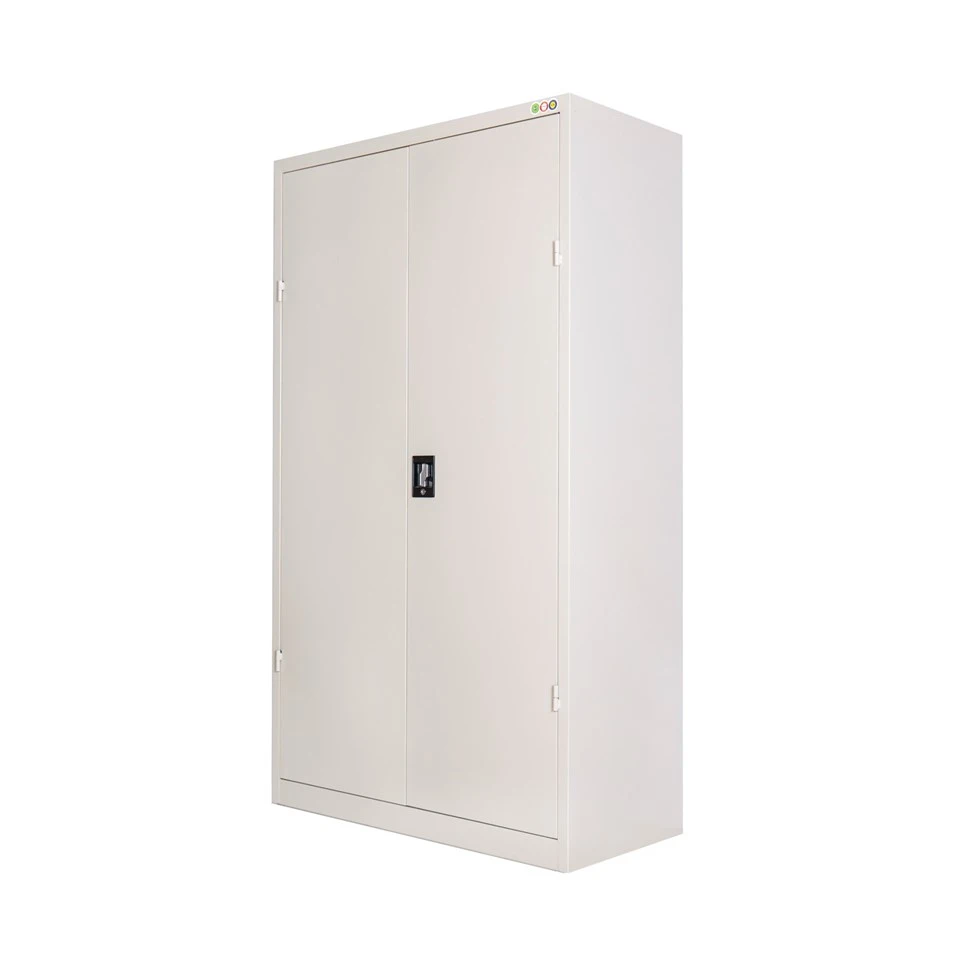
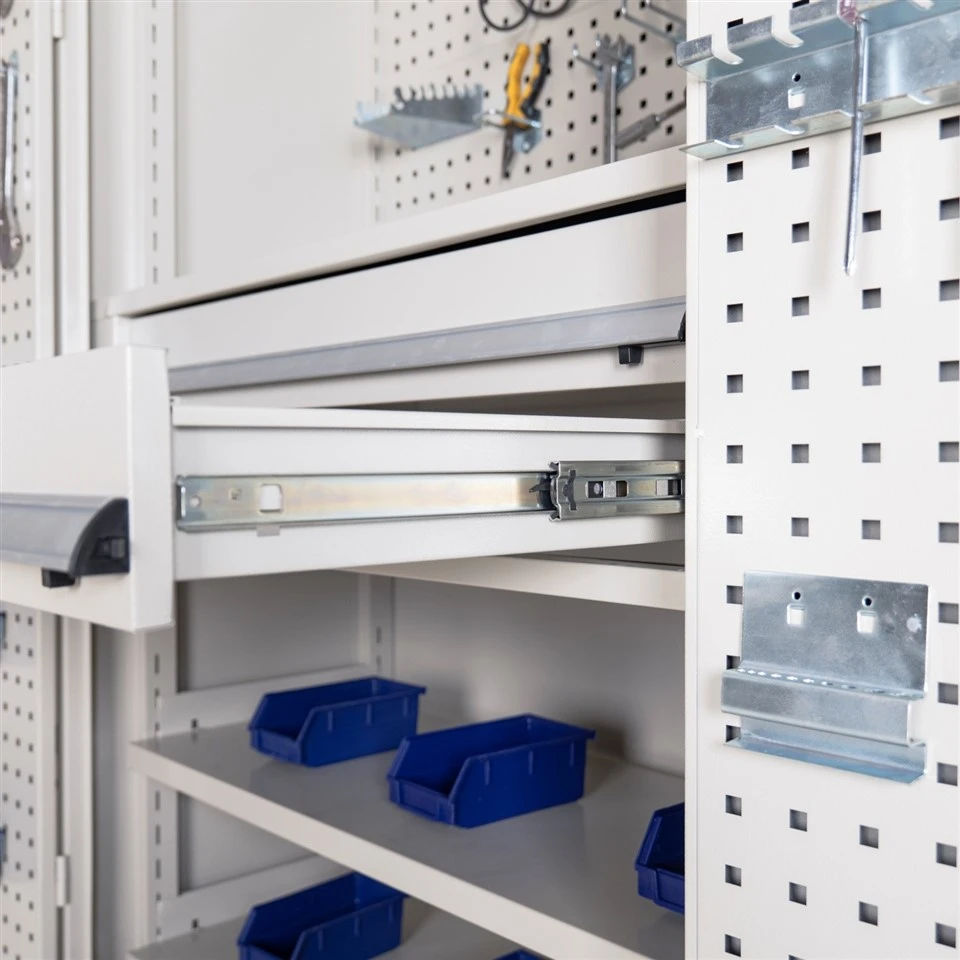
Our Steel Workshop Bench combines the strength of steel with the portability of aluminum. It's a great option for those who need a sturdy work surface and tool storage in one convenient package.
Wood
Wood has been used for tool cabinets for centuries, and it still has its place in the modern workshop. Wood is a natural and warm material that can add a touch of character to your workspace. It's also relatively easy to work with, making it a popular choice for DIYers who want to build their own tool cabinets.
One of the main advantages of wood is its aesthetic appeal. It can be stained or painted to match the decor of your workshop, and it has a unique grain pattern that adds visual interest. Wood is also a good insulator, which can help protect your tools from extreme temperatures.
However, wood is not as durable as steel or aluminum, and it can be susceptible to damage from moisture, insects, and wear and tear. It's important to choose a high-quality wood and treat it properly to ensure its longevity.
If you're looking for a more traditional and rustic tool cabinet, our White Metal Tool Cabinet features a wooden frame and drawers, combined with a white metal exterior for a classic look.
Plastic
Plastic is a lightweight and affordable option for tool cabinets. It's easy to clean and maintain, and it's resistant to corrosion and chemicals. Plastic tool cabinets are also available in a variety of colors and styles, making them a popular choice for home workshops and garages.
One of the main drawbacks of plastic is its lack of strength compared to steel or aluminum. It may not be suitable for storing heavy tools or equipment, and it can crack or break under heavy use. However, for storing smaller tools and accessories, a plastic tool cabinet can be a practical and cost-effective solution.
When choosing a plastic tool cabinet, look for one that is made from high-quality materials and has a sturdy construction. Some plastic cabinets also feature reinforced corners and edges to improve their durability.
Conclusion
In conclusion, there are several materials commonly used to make tool cabinets, each with its own advantages and disadvantages. Steel is the most popular choice for its strength, durability, and resistance to corrosion. Aluminum is a lightweight and portable option, while wood adds a touch of warmth and character to your workspace. Plastic is a cost-effective and easy-to-clean option for storing smaller tools.
As a tool cabinet supplier, I can help you choose the right material and style of tool cabinet for your specific needs. Whether you're a professional mechanic, a DIY enthusiast, or just looking for a way to organize your tools, I have a wide range of options to choose from.
If you're interested in purchasing a tool cabinet, please don't hesitate to contact me for more information. I'd be happy to answer any questions you may have and help you find the perfect tool cabinet for your workspace.
References
- "Tool Cabinet Materials: A Comprehensive Guide." Tool Storage Solutions Magazine, 2023.
- "The Benefits of Steel Tool Cabinets." Industrial Equipment Journal, 2022.
- "Aluminum vs. Steel Tool Cabinets: Which is Right for You?" Workshop Tips and Tricks, 2021.


