In the bustling world of air travel, airports strive to offer passengers a comfortable and pleasant experience during their transit. One aspect that often comes into consideration is the seating provided at airports. As an airport seats supplier, I often encounter a curious question from our clients and potential buyers: "Do airport seats have a built - in massage function?" In this blog, I will delve into this topic, exploring the current situation, the feasibility, and the future prospects of airport seats with built - in massage functions.
The Current State of Airport Seats
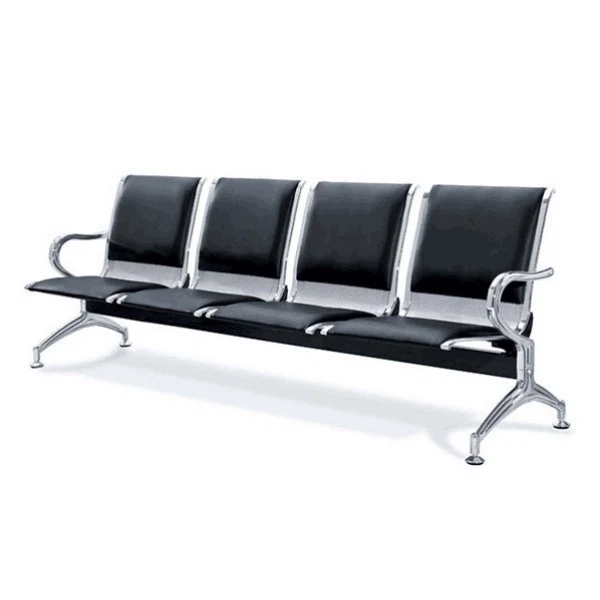
At present, the majority of airport seats are designed with functionality and durability in mind. They are typically made to withstand high volumes of traffic, easy to clean, and comply with various safety and comfort standards. When you walk through an airport, you'll commonly see two main types of seats: Airport Reception Chairs and Metal Airport Seating.
Airport reception chairs are usually placed in waiting areas near check - in counters or lounges. These chairs are designed to provide a certain level of comfort while maintaining an elegant and professional appearance. They often feature plush upholstery and ergonomic designs to ensure that passengers can relax during the time they spend waiting to check in or board their flights.
Metal airport seating, on the other hand, is more commonly found in terminal areas. It is known for its sturdiness and low - maintenance requirements. The metal frames can endure heavy use, and the seats are often designed with simple, yet functional shapes. However, in both cases, built - in massage functions are not a standard feature.
Reasons for the Lack of Built - in Massage Functions
There are several reasons why most airport seats do not come with built - in massage functions currently.
Cost - effectiveness
Installing massage functions in airport seats significantly increases the manufacturing cost. This includes the cost of the massage components, additional wiring, and the technology required to run the massage system. For airports, which need to furnish large areas with seats, the upfront investment can be prohibitively high. Moreover, the long - term maintenance cost also rises as the massage components may require more frequent servicing and replacement compared to regular seat parts.
Safety and Reliability
Airports are high - traffic areas with strict safety regulations. The addition of massage functions means introducing more electrical components and moving parts into the seats. These new elements can pose potential safety hazards such as electrical short - circuits or mechanical malfunctions. Ensuring the reliability of these massage functions in a high - usage environment is a challenge, as breakdowns can lead to inconvenience for passengers and additional maintenance work for airport staff.
Hygiene Concerns
Airport seats are used by a large number of people from all over the world. The massage mechanisms, with their complex structures and moving parts, can be difficult to clean thoroughly. Unlike regular seats, where simple surface cleaning is often sufficient, massage - enabled seats may have crevices and areas that are hard to reach, which can harbor bacteria and dirt, raising hygiene concerns.
Feasibility of Airport Seats with Built - in Massage Functions
Despite the challenges, there are also some factors that suggest the feasibility of airport seats with built - in massage functions.
Market Demand
In recent years, passengers have become more demanding in terms of comfort during their airport transit. With the increasing popularity of wellness and relaxation concepts, a growing number of travelers would appreciate the opportunity to have a massage while waiting for their flights, especially on long - haul journeys. This demand can drive airports to consider investing in more comfortable seating options, including those with massage functions.
Technological Advancements
The field of massage technology has advanced significantly in recent years. Newer and more compact massage components are being developed, which can potentially reduce the cost and space requirements for integrating massage functions into airport seats. Additionally, advancements in wireless technology can simplify the wiring and installation process, making it more feasible for airports to upgrade their existing seating arrangements.
Differentiation for Airports
In a competitive aviation market, airports are always looking for ways to differentiate themselves and attract more passengers. Offering seats with built - in massage functions can be a unique selling point. It can enhance the overall passenger experience, improve customer satisfaction, and potentially increase the airport's reputation and competitiveness.
Future Prospects
Looking ahead, the future of airport seats with built - in massage functions seems promising. We can expect to see some changes in the industry in the coming years.

Premium and Luxury Airports
High - end or luxury airports may be the first to adopt seats with massage functions. These airports target travelers who are willing to pay a premium for a more comfortable and exclusive experience. By providing massage - enabled seats in lounges or private waiting areas, they can attract high - value passengers and enhance their brand image as a luxury travel destination.
Gradual Adoption
As the technology matures and costs decrease, we may see a more gradual adoption of massage - enabled seats in mainstream airports. Airports could start by installing a small number of these seats in strategic locations, such as near VIP lounges or long - wait areas, and then gradually expand the installation based on passenger feedback and cost - benefit analysis.
Integration with Other Services
In the future, airport seats with built - in massage functions could be integrated with other services. For example, passengers could access the massage function through a mobile app, where they can select different massage modes and pay for the service. This integration could provide additional revenue streams for airports while also offering passengers a more personalized experience.
Conclusion
As an airport seats supplier, I understand the challenges and opportunities associated with airport seats with built - in massage functions. While the current situation sees limited adoption due to cost, safety, and hygiene concerns, the growing market demand and technological advancements suggest a positive future for this concept.
If you are an airport operator, architect, or anyone involved in the airport furnishing industry and are interested in exploring the possibility of incorporating seats with built - in massage functions in your project, we would be delighted to engage in further discussions. Our team of experts can provide you with detailed information on product options, costs, and installation services. Please feel free to reach out to us, and let's work together to create a more comfortable and innovative airport environment for passengers.
References
- Various industry reports on airport furniture trends and passenger comfort requirements.
- Research studies on the advancement of massage technology and its potential applications in public seating.