


Can I add wheels to a steel bed?
As a seasoned supplier of steel beds, I often encounter various inquiries from customers, and one question that pops up quite frequently is, "Can I add wheels to a steel bed?" This seemingly simple question actually involves a multitude of factors, ranging from the bed's design and functionality to safety and practicality. In this blog post, I'll delve into the details of this question and provide you with comprehensive insights to help you make an informed decision.
First and foremost, let's talk about the feasibility of adding wheels to a steel bed. In theory, it is entirely possible to attach wheels to a steel bed. Steel is a robust and sturdy material that can generally withstand the additional stress and movement associated with wheels. However, the practicality of this modification depends largely on the specific design and structure of the bed.
For instance, if you have a Strong Metal Beds, which are typically designed for durability and stability, adding wheels can significantly enhance their mobility. These beds are often used in settings where flexibility is key, such as small apartments or dormitories. By equipping them with wheels, you can easily move the bed around to clean the area underneath or reconfigure the room layout.
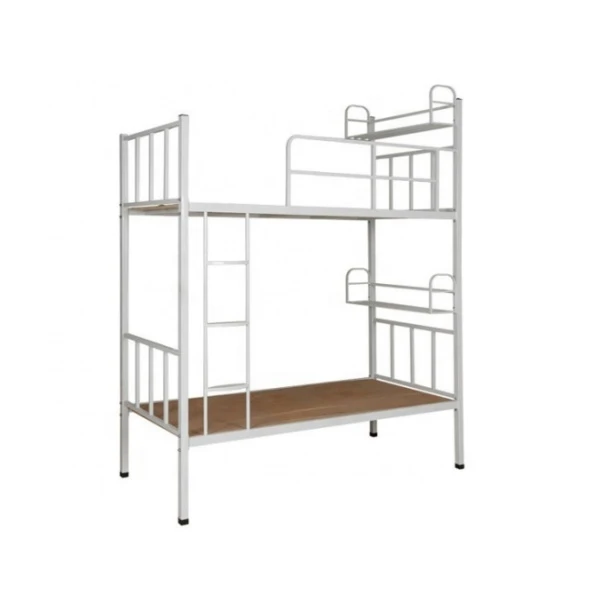
On the other hand, Hostel Dormitory Bed and Dormitory Double Decker Bed are designed to maximize space utilization in communal living environments. While adding wheels to these beds might seem like a good idea for easy rearrangement, it could also pose some safety risks. The additional weight of multiple sleepers on a double - decker bed, combined with the movement of the wheels, might compromise the bed's stability. In a hostel setting, where there are often young or inexperienced users, this could lead to accidents.

When considering adding wheels to a steel bed, you also need to think about the type of wheels to use. Different wheels offer different levels of load - bearing capacity, smoothness of movement, and locking mechanisms. For light - duty steel beds used in residential settings, small rubber or plastic wheels might suffice. These wheels are relatively quiet and can provide a certain degree of shock absorption. However, for heavier industrial - grade steel beds, you'll need to opt for more robust wheels made of materials like cast iron or polyurethane, which can handle the extra weight without wearing out quickly.
The installation process of the wheels is another crucial aspect. You should ensure that the wheels are properly attached to the bed frame. This usually involves drilling holes in the frame and using appropriate bolts or screws to secure the wheels. If the installation is not done correctly, the wheels might come loose during use, which can be dangerous. It's advisable to follow the manufacturer's instructions carefully or seek professional help if you're not confident in your DIY skills.
In terms of the impact on the bed's lifespan, adding wheels can have both positive and negative effects. On the positive side, if the wheels are of high - quality and installed properly, they can reduce the wear and tear on the bed frame by distributing the weight more evenly during movement. However, if the wheels are not suitable for the bed's weight or if the installation is faulty, it could lead to premature damage to the frame.
Another factor to consider is the floor surface. Different wheels perform better on different types of floors. For example, soft - rubber wheels are ideal for hardwood or laminate floors as they won't scratch the surface. On the other hand, if you have a concrete or tile floor, harder wheels might be more appropriate as they can provide better traction and durability.
Now, let's discuss the potential benefits of adding wheels to a steel bed. One of the most obvious advantages is the increased mobility. You can easily move the bed to different locations in the room, which is especially useful for cleaning or when you want to change the room's layout. This can also be beneficial in a commercial setting, such as a hotel or a hospital, where beds may need to be moved for maintenance or to accommodate different patient needs.
Adding wheels to a steel bed can also improve the accessibility of the area underneath the bed. You can store items such as suitcases, extra bedding, or seasonal clothing under the bed and easily pull it out when needed. This can help to keep your living or storage space organized.
However, there are also some drawbacks to consider. As mentioned earlier, the addition of wheels can potentially affect the bed's stability, especially if it is a large or heavy - duty bed. This can be a safety concern, particularly for children or the elderly. Additionally, the wheels may make some noise when the bed is moved, which could be a nuisance, especially in a quiet environment.
In conclusion, whether you can add wheels to a steel bed depends on a variety of factors. If you have a light - weight steel bed and you're looking for increased mobility and convenience, adding wheels can be a great option. However, for heavier beds or those used in high - traffic areas, you need to carefully weigh the pros and cons and ensure that you take the necessary safety precautions.
As a steel bed supplier, I'm always here to assist you with any questions you might have regarding modifying your beds. If you're interested in purchasing a steel bed or have specific requirements for bed customization, including the addition of wheels, please feel free to reach out. We can discuss your needs in detail and provide you with the best solutions to meet your expectations.
References
- General knowledge of steel bed manufacturing and modification
- Industry standards for bed safety and mobility


