


As a supplier of Metal Airport Seating, I've had the privilege of engaging with a diverse range of airport authorities, architects, and passengers over the years. One question that frequently surfaces in our discussions is whether metal airport seats are suitable for disabled passengers. This blog post aims to delve into this topic, exploring the various aspects that contribute to the suitability of metal airport seating for disabled individuals.
Comfort and Accessibility
When it comes to disabled passengers, comfort and accessibility are of utmost importance. Metal airport seats, known for their durability and sleek design, can offer several advantages in this regard. Firstly, the solid construction of metal seats provides a stable and supportive surface, which is crucial for passengers with mobility issues. The firmness of the seats can help individuals maintain proper posture, reducing the risk of discomfort or fatigue during long waits at the airport.
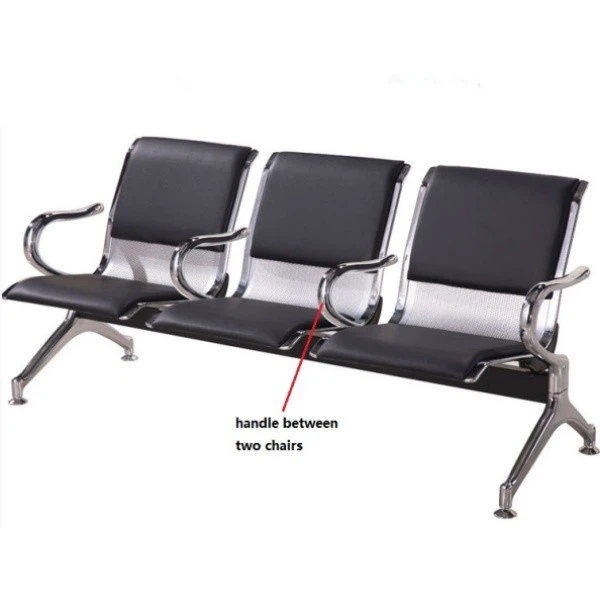
However, it's important to note that the comfort of metal seats can be enhanced through the addition of padding and cushions. Many of our Metal Airport Seating options come with customizable padding options, allowing airports to tailor the seats to the specific needs of their passengers. This not only improves comfort but also ensures that the seats meet the accessibility requirements set by relevant regulations.
Safety Features
Safety is another critical factor to consider when evaluating the suitability of metal airport seats for disabled passengers. Metal seats are inherently strong and can withstand significant weight and pressure, making them a reliable choice for airports. Additionally, many metal seats are designed with safety features such as rounded edges and anti-tip mechanisms, which help prevent accidents and injuries.
In terms of accessibility, metal seats can be equipped with features such as armrests and grab bars to assist disabled passengers in getting in and out of the seats. These features provide additional support and stability, making it easier for individuals with limited mobility to navigate the airport environment.
Hygiene and Maintenance
Hygiene is a major concern in airports, especially in the wake of the COVID-19 pandemic. Metal airport seats are relatively easy to clean and maintain, making them a practical choice for airports. Unlike fabric seats, which can absorb dirt and germs, metal seats can be wiped down with disinfectant cleaners, ensuring a clean and hygienic environment for passengers.
Furthermore, metal seats are resistant to wear and tear, which means they require less frequent replacement compared to other types of seats. This not only reduces maintenance costs but also minimizes the disruption to airport operations.
Design and Aesthetics
In addition to comfort, safety, and hygiene, the design and aesthetics of metal airport seats can also play a role in their suitability for disabled passengers. Many metal seats are available in a variety of styles and finishes, allowing airports to choose seats that complement the overall design of their terminal.
Moreover, the sleek and modern design of metal seats can create a more inviting and comfortable atmosphere for passengers. This can have a positive impact on the overall passenger experience, especially for disabled individuals who may be more sensitive to their surroundings.
Challenges and Considerations
While metal airport seats offer several advantages for disabled passengers, there are also some challenges and considerations that need to be addressed. One of the main challenges is the coldness of metal seats, especially in colder climates. This can be uncomfortable for passengers, particularly those with limited circulation or sensitivity to cold.
To address this issue, airports can consider adding heating elements to the seats or providing blankets for passengers. Additionally, the use of padding and cushions can help insulate the seats and reduce the coldness.
Another consideration is the weight of metal seats, which can make them difficult to move or reconfigure. This can be a challenge for airports that need to adjust the seating layout to accommodate changing passenger needs. To overcome this challenge, airports can consider using lightweight metal seats or installing seats on wheels for easy mobility.
Conclusion
In conclusion, metal airport seats can be a suitable option for disabled passengers, provided that they are designed and equipped with the necessary features to ensure comfort, safety, and accessibility. By considering the specific needs of disabled individuals and addressing the challenges and considerations associated with metal seats, airports can create a more inclusive and comfortable environment for all passengers.

If you're interested in learning more about our Metal Airport Seating or Airport Reception Chairs, please don't hesitate to contact us. Our team of experts is available to answer any questions you may have and help you find the perfect seating solution for your airport.
References
- International Air Transport Association (IATA). (2021). Guidelines for Accessible Air Travel.
- Federal Aviation Administration (FAA). (2021). Accessible Air Transportation for Persons with Disabilities.
- World Health Organization (WHO). (2021). Disability and Health.


