Are airport seats in old terminals in bad condition?
As a seasoned supplier of airport seats, I've had the privilege of witnessing the evolution of airport seating firsthand. Over the years, I've seen how seating solutions have adapted to the changing needs of airports and passengers alike. One question that often comes up in industry discussions is whether airport seats in old terminals are in bad condition. In this blog post, I'll delve into this topic, exploring the factors that contribute to the condition of airport seats in old terminals and discussing potential solutions.
The State of Airport Seats in Old Terminals
Old terminals are a common sight in many airports around the world. These terminals, often built decades ago, were designed to accommodate a different era of air travel. While they may have served their purpose well in the past, they now face a number of challenges when it comes to maintaining their seating infrastructure.
One of the primary factors contributing to the poor condition of airport seats in old terminals is wear and tear. Over time, the constant use of seats by thousands of passengers can take a toll on their structural integrity and appearance. The cushions may become flattened, the frames may become bent or damaged, and the upholstery may become stained or torn. This not only affects the comfort of passengers but also detracts from the overall aesthetic of the terminal.
Another factor that can contribute to the poor condition of airport seats in old terminals is lack of maintenance. In many cases, old terminals may not have the resources or budget to invest in regular maintenance and replacement of seating. This can lead to a situation where seats are left in a state of disrepair for extended periods of time, further exacerbating the problem.
In addition to wear and tear and lack of maintenance, old terminals may also face challenges related to changing passenger needs and expectations. As air travel has become more accessible and popular, passengers are now demanding more comfortable and functional seating options. Old terminals may not have the flexibility to adapt to these changing needs, leaving passengers with outdated and uncomfortable seating.
The Impact of Poorly Conditioned Seats
The poor condition of airport seats in old terminals can have a number of negative impacts on both passengers and airports. For passengers, uncomfortable and poorly maintained seats can make their travel experience less enjoyable and more stressful. This can lead to negative reviews and a loss of customer loyalty, which can ultimately have a financial impact on airlines and airports.
For airports, the poor condition of seats can also have a negative impact on their reputation and image. A terminal with outdated and uncomfortable seating can give the impression of a poorly managed and unprofessional airport, which can deter passengers from choosing to fly through that airport in the future. In addition, the poor condition of seats can also pose a safety risk to passengers, particularly if the seats are structurally unsound or have sharp edges or protrusions.
Solutions for Improving the Condition of Airport Seats in Old Terminals
While the challenges facing airport seats in old terminals may seem daunting, there are a number of solutions that can be implemented to improve their condition and functionality. One of the most effective solutions is to invest in regular maintenance and replacement of seating. This can include tasks such as cleaning, repairing, and replacing cushions, frames, and upholstery on a regular basis. By investing in regular maintenance, airports can extend the lifespan of their seating and ensure that it remains in good condition for years to come.
Another solution is to upgrade the seating in old terminals to more modern and comfortable options. This can include features such as ergonomic design, adjustable headrests and armrests, and built-in charging ports. By providing passengers with more comfortable and functional seating options, airports can improve the overall passenger experience and enhance their reputation and image.
In addition to maintenance and upgrades, airports can also consider implementing a seating management system to ensure that seats are being used efficiently and effectively. This can include features such as seat reservation systems, real-time occupancy monitoring, and dynamic pricing. By implementing a seating management system, airports can optimize the use of their seating resources and ensure that passengers are able to find a comfortable seat when they need one.
Our Role as an Airport Seats Supplier
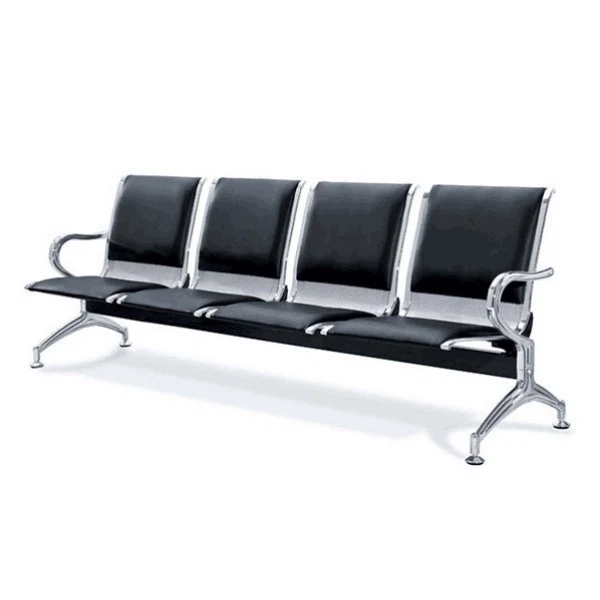
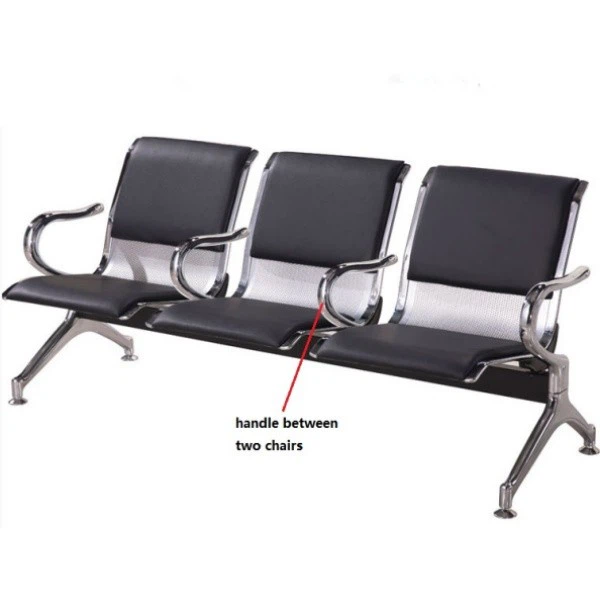
As an airport seats supplier, we play a crucial role in helping airports address the challenges facing their seating infrastructure. We offer a wide range of seating solutions that are designed to meet the specific needs and requirements of airports of all sizes and types. Our seating options include Metal Airport Seating, which is known for its durability and strength, and Airport Reception Chairs, which are designed to provide a comfortable and welcoming environment for passengers.
In addition to our high-quality seating products, we also offer a comprehensive range of services to help airports maintain and manage their seating infrastructure. Our services include installation, maintenance, and replacement of seating, as well as consulting and design services. By working closely with airports, we can help them develop customized seating solutions that meet their specific needs and budget.
Conclusion
In conclusion, the condition of airport seats in old terminals is a complex issue that requires a comprehensive approach. While wear and tear, lack of maintenance, and changing passenger needs and expectations can all contribute to the poor condition of seats, there are a number of solutions that can be implemented to improve their condition and functionality. By investing in regular maintenance and replacement of seating, upgrading to more modern and comfortable options, and implementing a seating management system, airports can enhance the overall passenger experience and improve their reputation and image.
As an airport seats supplier, we are committed to helping airports address the challenges facing their seating infrastructure. We offer a wide range of high-quality seating products and services that are designed to meet the specific needs and requirements of airports of all sizes and types. If you are an airport looking to improve the condition of your seating, we would be happy to discuss your options with you. Please feel free to contact us to learn more about our products and services and to schedule a consultation.
References
- Airport Council International (ACI). (2023). Airport Passenger Experience Report.
- International Air Transport Association (IATA). (2023). Passenger Services Conference Report.
- Smith, J. (2022). The Future of Airport Seating: Trends and Innovations. Journal of Airport Management, 16(2), 123-135.