


Hey there, book lovers and home decor enthusiasts! As a bookshelf supplier, I've seen firsthand how important it is to consider safety when buying a bookshelf. After all, a bookshelf is not just a piece of furniture; it's a place where you store your precious books, collectibles, and other items. So, let's dive into the safety considerations you should keep in mind when shopping for a bookshelf.
Stability is Key
One of the most important safety considerations when buying a bookshelf is stability. A wobbly or unstable bookshelf can easily tip over, especially if it's overloaded or if it's not properly secured to the wall. This can pose a serious risk, especially if you have children or pets in the house.
To ensure that your bookshelf is stable, look for one that is made from high-quality materials and has a solid construction. A bookshelf with a wide base and a low center of gravity is generally more stable than one with a narrow base or a high center of gravity. You should also make sure that the bookshelf is level and that all of the legs or feet are touching the floor.
If you're planning to place your bookshelf on a carpeted surface, you may want to consider using furniture glides to help it move more easily and to prevent it from scratching the carpet. You can also use anti-tip devices to secure the bookshelf to the wall. These devices are usually available at hardware stores and can help to prevent the bookshelf from tipping over in the event of an earthquake or other seismic activity.
Load Capacity
Another important safety consideration when buying a bookshelf is its load capacity. The load capacity of a bookshelf refers to the maximum amount of weight that it can safely support. If you overload a bookshelf, it can cause the shelves to sag or even break, which can lead to a serious accident.
To determine the load capacity of a bookshelf, look for the manufacturer's specifications or ask a salesperson for help. You should also consider the weight of the items that you plan to store on the bookshelf. For example, if you're planning to store heavy books or large collectibles, you may need a bookshelf with a higher load capacity.
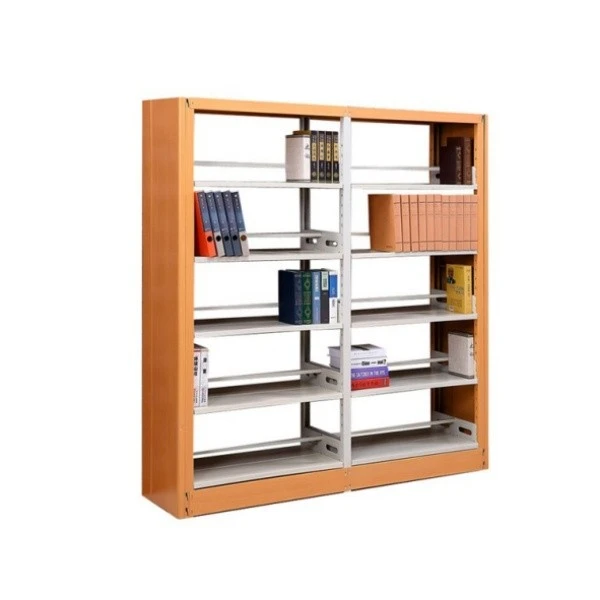
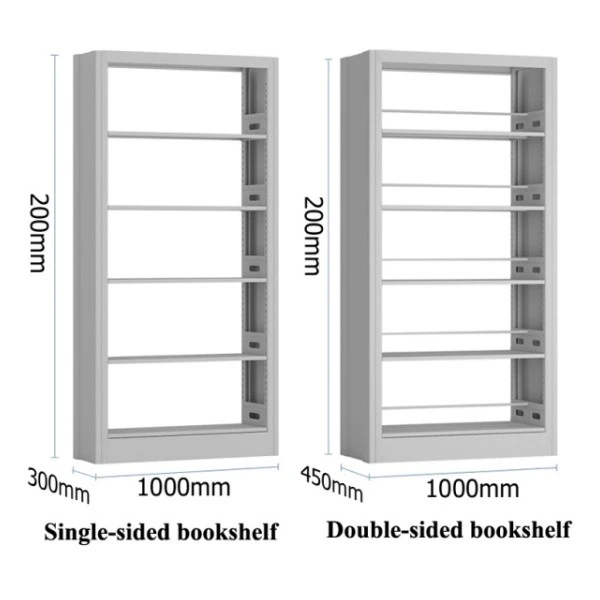
It's also a good idea to distribute the weight evenly across the shelves. Avoid placing all of the heavy items on one shelf, as this can cause the shelf to sag or even break. Instead, try to distribute the weight evenly across all of the shelves to ensure that the bookshelf remains stable.
Material Safety
The materials used to make a bookshelf can also have an impact on its safety. Some materials, such as particleboard and MDF (medium-density fiberboard), are commonly used in the construction of bookshelves because they are inexpensive and easy to work with. However, these materials can also contain harmful chemicals, such as formaldehyde, which can be released into the air over time.
To ensure that your bookshelf is safe, look for one that is made from high-quality materials, such as solid wood or metal. Solid wood is a natural material that is free from harmful chemicals and is also very durable. Metal is another good option because it is strong, lightweight, and easy to clean.
If you're considering a bookshelf made from particleboard or MDF, make sure that it is labeled as being compliant with formaldehyde emission standards. You can also look for bookshelves that are made from recycled materials, as these are often more environmentally friendly and may also be safer.
Sharp Edges and Corners
Sharp edges and corners on a bookshelf can pose a risk, especially if you have children or pets in the house. These edges and corners can cause cuts, bruises, or even more serious injuries if someone accidentally bumps into them.
To ensure that your bookshelf is safe, look for one that has rounded edges and corners. Some bookshelves also come with safety guards or pads that can be used to cover sharp edges and corners. These guards and pads are usually easy to install and can help to prevent injuries.
Assembly and Installation
Finally, it's important to consider the assembly and installation process when buying a bookshelf. Some bookshelves come fully assembled, while others require some assembly. If you're not comfortable with assembling furniture, you may want to consider hiring a professional to do it for you.
When installing a bookshelf, make sure that you follow the manufacturer's instructions carefully. Improper installation can cause the bookshelf to be unstable or even collapse. You should also make sure that the bookshelf is installed on a level surface and that it is properly secured to the wall.
Our Bookcase Options
At our company, we offer a wide range of bookshelves that are designed with safety in mind. Check out our Metal Book Case, which is made from high-quality metal and is very durable. We also have a beautiful Modern Book Case that is perfect for any home decor. And if you're looking for a classic white bookshelf, our Book Case White is a great option.
Let's Connect
If you're interested in purchasing a bookshelf, we'd love to hear from you. We can help you choose the right bookshelf for your needs and provide you with all the information you need to make a safe and informed decision. So, don't hesitate to reach out and start a conversation about your procurement needs. We're here to assist you every step of the way.
References
- Consumer Product Safety Commission. (n.d.). Keeping Furniture and TVs From Tipping Over. Retrieved from https://www.cpsc.gov/Keep-It-Safe/Keep-Furniture-and-TVs-From-Tipping-Over
- National Fire Protection Association. (n.d.). Fire Safety in the Home. Retrieved from https://www.nfpa.org/Public-Education/By-topic/Home-and-Community-Safety/Fire-safety-in-the-home
- Environmental Protection Agency. (n.d.). Formaldehyde. Retrieved from https://www.epa.gov/indoor-air-quality-iaq/formaldehyde


