


When it comes to outfitting airports with the right seating solutions, metal airport seating stands out for its durability, modern aesthetic, and functionality. As a leading supplier of Metal Airport Seating, I often encounter questions from airport administrators, architects, and procurement officers about the various features of our products. One question that frequently arises is whether there are any locking mechanisms in metal airport seating. In this blog post, I'll delve into this topic in detail, exploring the reasons for locking mechanisms, the types available, and how they can benefit airport operations.
Why Locking Mechanisms Matter in Airport Seating
Airports are bustling hubs of activity, with thousands of passengers passing through daily. Ensuring the safety, security, and proper maintenance of airport facilities is of utmost importance. Locking mechanisms in metal airport seating serve several crucial purposes:
Security
One of the primary reasons for incorporating locking mechanisms is to prevent unauthorized removal or tampering of the seats. In a public environment like an airport, there is always a risk of individuals attempting to move or steal the seating for personal use. By using locks, airports can deter such behavior and protect their investment in high - quality seating.
Maintenance and Organization
Locking mechanisms also facilitate maintenance and organization. Airport staff can easily arrange the seating in a specific configuration for different events or to optimize the use of space. Once the seats are in place, the locks ensure that they remain in the desired arrangement, preventing passengers from rearranging them haphazardly. This helps maintain a clean and orderly appearance in the terminal.
Safety
In the event of an emergency, having properly secured seating is essential. Locked seats are less likely to become projectiles or obstacles that could impede the evacuation process. They also provide a stable and secure seating option for passengers, reducing the risk of falls or injuries caused by loose or unstable seats.
Types of Locking Mechanisms in Metal Airport Seating
There are several types of locking mechanisms that can be incorporated into metal airport seating, each with its own advantages and applications:
Key - Operated Locks
Key - operated locks are the most traditional and widely used type of locking mechanism. These locks require a specific key to unlock and lock the seat. They offer a high level of security, as only authorized personnel with the key can access the locking mechanism. Key - operated locks are often used in areas where strict access control is required, such as VIP lounges or restricted sections of the airport.
Combination Locks
Combination locks provide an alternative to key - operated locks. Instead of a key, users must enter a specific combination of numbers to unlock the seat. Combination locks are convenient as there is no need to carry a key, and the combination can be easily changed if necessary. They are commonly used in areas where multiple people need access to the seating, such as maintenance staff or event organizers.
Electronic Locks
With the advancement of technology, electronic locks are becoming increasingly popular in metal airport seating. These locks use electronic sensors and keypads to control access. They can be programmed to allow access at specific times or to specific individuals using access cards or biometric data. Electronic locks offer enhanced security and flexibility, as they can be integrated with the airport's security system.
Benefits of Using Locking Mechanisms in Our Metal Airport Seating
As a supplier of Metal Airport Seating, we understand the importance of providing high - quality seating solutions that meet the specific needs of airports. Here are some of the benefits of choosing our seating with locking mechanisms:
Customization
We offer a wide range of locking mechanisms that can be customized to fit the specific requirements of your airport. Whether you need a simple key - operated lock or a sophisticated electronic locking system, we can provide a solution that meets your needs.
Durability
Our metal airport seating is designed to withstand the rigors of daily use in a busy airport environment. The locking mechanisms are made from high - quality materials that are resistant to corrosion, wear, and tear. This ensures that the locks will continue to function properly for years to come, providing long - term security and reliability.
Ease of Use
We understand that airport staff need to be able to quickly and easily access the seating for maintenance and cleaning. Our locking mechanisms are designed with ease of use in mind, allowing authorized personnel to unlock and lock the seats quickly and efficiently.
Compatibility with Other Airport Systems
Our electronic locking systems can be integrated with other airport systems, such as access control systems and security cameras. This provides a comprehensive security solution that helps to enhance the safety and security of the airport.
Considerations When Choosing Locking Mechanisms for Airport Seating
When selecting locking mechanisms for your metal airport seating, there are several factors to consider:
Security Level
The security level required will depend on the location and use of the seating. For example, seats in a public waiting area may require a lower level of security compared to seats in a restricted area. Consider the potential risks and choose a locking mechanism that provides an appropriate level of security.
Ease of Maintenance
The locking mechanism should be easy to maintain and repair. Look for locks that are designed with simple components and can be easily serviced by airport maintenance staff. This will help to minimize downtime and ensure that the seating remains secure at all times.
Cost
The cost of the locking mechanism is also an important consideration. While more advanced locking systems may offer greater security and functionality, they may also be more expensive. Evaluate your budget and choose a locking mechanism that provides the best balance between cost and performance.
Other Features of Our Metal Airport Seating
In addition to locking mechanisms, our Metal Airport Seating offers a range of other features that make it an ideal choice for airports:
Comfort
We understand that passengers spend a significant amount of time sitting in airport seats. That's why our seating is designed with comfort in mind. We use high - quality padding and ergonomic designs to ensure that passengers can relax and enjoy their wait.
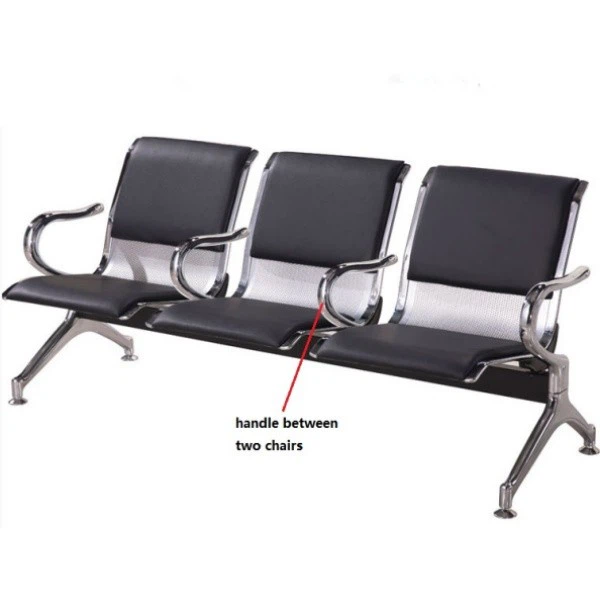

Aesthetics
Our metal airport seating is available in a variety of styles and finishes, allowing you to choose a design that complements the overall aesthetic of your airport. Whether you prefer a modern, minimalist look or a more traditional design, we have a seating solution that will meet your needs.
Sustainability
We are committed to sustainability and offer seating options that are made from recycled materials and are designed to be energy - efficient. By choosing our seating, you can reduce your airport's environmental impact while still providing a high - quality seating solution for your passengers.
Conclusion
Locking mechanisms in metal airport seating play a crucial role in ensuring the security, safety, and organization of airport facilities. As a supplier of Metal Airport Seating, we offer a range of locking mechanisms that can be customized to meet the specific needs of your airport. Whether you need a simple key - operated lock or a sophisticated electronic locking system, we have the solution for you.
If you are interested in learning more about our metal airport seating or would like to discuss your specific requirements, please feel free to contact us. We are here to help you find the perfect seating solution for your airport. Additionally, if you are looking for Airport Reception Chairs, we also offer a wide range of options to meet your needs.
References
- Airport Design and Planning Handbook, McGraw - Hill
- International Air Transport Association (IATA) Guidelines on Airport Facilities
- Best Practices in Airport Seating Management, Airport Council International (ACI)


